Quick Share: File Transfer App
- 3.3
- Rating
- 500.00K
- Installs
- Free
- Price

 Analysis by App-foxy
When I tested Quick Share: File Transfer App, I approached it as a practical tool rather than a feature-packed file manager. Its purpose is straightforward: move files between devices with less hassle than sending them through email, messaging apps, or cloud storage. That focus makes it especially interesting in a household where several people share photos, school documents, videos, or downloaded files, but it also means you need to understand its boundaries before making it your default transfer method.
The app comes from Apps Vista Studio and sits in the Libraries & Demo section. It is free to install, available for Everyone, and supports Android devices running version 7.0 or later. The current release is 1.0.7. Its average score is 3.2 from roughly 470 ratings, while its install base has passed 100K+. Those figures suggest that people are trying it in meaningful numbers, but the middling score also tells me to keep expectations realistic: this is a useful utility to test, not an automatic replacement for every sharing method on your phone.
How Quick Share fits into a shared household
The most convincing use case is a simple one. Imagine taking a group of pictures during a family outing and wanting to put selected copies on another Android phone. Instead of compressing them in a chat, attaching them to an email, or waiting for a cloud folder to synchronize, a dedicated transfer app can make the exchange feel more direct. The same applies when one person has a PDF on a tablet, another needs it on a phone, or a family member wants to move a video without relying on mobile data.
You May Also Like

 Pandora - Music & Podcasts
Pandora’s Music Is Easy to Start, but Harder to Recover
Pandora’s strength is its low-effort path from a seed to a station. Its weak spot is how much confidence it asks you to place in connection, setup, and quiet recovery.

 8 Ball Pool
 Is Built on Rivalries, Rematches, and Routine
A close look at the rivalries, rematches, shared routines, and unanswered safety questions that turn a quick pool match into a persistent mobile community.

 Samsung Music
’s Quiet Strength Is Playing What You Already Own
Its reach comes less from spectacle than from dependable access to a personal library. That simplicity is both the app’s strongest retention engine and its ceiling.

 AccuWeather: Weather Radar
AccuWeather Review: A Quick, Clear Forecast for Everyday Decisions
For everyday plans, the best forecast is the one you can understand quickly. AccuWeather makes rain timing, radar, and local conditions easy to act on, with a few trade-offs.

 Hill Climb Racing
Why Hill Climb Racing Still Turns Crashes Into One More Run
A tiny car, a bumpy hill and one more upgrade: Hill Climb Racing keeps resurfacing because its simple chaos makes every near-miss feel personal.

 AliExpress - Shopping App
AliExpress Makes Global Shopping Feel Personal, but Shoppers Bear the Risk
AliExpress turns a global marketplace into a pocket-sized discovery engine. Its reach is useful, its shopping loop compelling, and its trade-offs easy to miss.
More From Our News Desk
View All News


I also see value in short-lived, device-to-device tasks. A guest might need a document for a meeting, a student may want a presentation on a parent’s tablet, or someone replacing a phone may need to move a group of personal files before handing the old device over. In those moments, the appeal is not advanced organization. It is reducing the number of steps between choosing a file and getting it onto the other screen.
That convenience depends on both devices cooperating. The receiving person still needs to be ready to accept the transfer, and both people need to know which file is being sent. In a shared home, that small coordination matters. A file-transfer app does not automatically understand who owns a device or which person should receive a file. I would treat it as a handoff tool, not as a household filing system.
One useful habit is to agree on the transfer before opening the app. Decide who is sending, who is receiving, and whether the transfer is for one file or a group. This sounds obvious, but it prevents the common shared-device problem where several people are tapping through the same process and nobody is sure which phone is connected. Quick Share can simplify the movement of files; it cannot replace basic communication.
What makes it more practical than messaging
Messaging apps are convenient for casual sharing, but they are not always ideal for preserving the original file. Photos may be resized, videos may be processed, and important documents can become buried in a conversation. Email has a different weakness: attachments can be awkward for larger files and are easy to lose among other messages. Cloud storage is more organized, but it introduces accounts, folders, synchronization, and sometimes a longer wait before the file appears.
Quick Share: File Transfer App is more appealing when the two devices are physically together and the goal is immediate movement. That is a narrower job, but a valuable one. I would choose it for a quick transfer across nearby Android devices before I would create a temporary cloud folder for the same task. For a long-term archive, however, cloud storage or a computer remains the better destination because those options provide a clearer place to find files later.
The phrase “without data loss” should be understood as the app’s intended transfer benefit, not as a reason to stop checking the result. After sending something important, I would open the received file and confirm that it works. A successful-looking transfer is not the same as a useful transfer, especially with documents that need to be opened immediately or videos that matter for a deadline.
Setup, device boundaries, and the first transfer
The first setup should be approached calmly, particularly when the app is being used on a phone shared by several people. Install it on the devices that will actually participate, then keep the sending and receiving roles clear. If you are helping a less technical relative, do the first exchange with an unimportant photo or small document. That trial gives everyone a chance to understand the flow before a large personal folder or an essential work file is involved.
Compatibility is an important boundary. The app requires Android 7.0 or newer, so an older phone may not be suitable even if it still handles other everyday tasks. In a household with mixed devices, check the operating system before promising that a transfer will work. This is one situation where a cable, computer, or another built-in sharing option may be more practical than trying to force the app onto an unsupported device.
I would also avoid treating a shared phone as a neutral transfer station. If multiple people use the same handset, the selected files may come from the wrong person’s gallery or downloads folder. Take a moment to review the file name and preview before sending. This is a small but important privacy habit, especially when family photos, schoolwork, identity documents, or work material are stored close together.
Another practical boundary is storage space. A transfer can finish successfully and still leave the receiving phone crowded if the file is large. Before moving a collection of videos, check whether the recipient has enough room and whether the files are worth keeping locally. For a one-time viewing, a smaller selection may be sensible; for a backup, a computer or cloud service usually offers a more deliberate workflow.
Because the app includes in-app purchases ranging from $1.99 to $14.99 per item, I would pay attention to any purchase prompt during use. The app itself is free, which makes it easy to try, but a household should still agree on who is allowed to approve optional spending. That is particularly relevant on a device used by children or by several family members under one store account.
A safer workflow for personal and shared devices
My preferred workflow is to prepare the files first, transfer only the intended selection, and inspect the destination afterward. If the files are private, I would avoid leaving them in a shared downloads folder longer than necessary. Move them into the appropriate personal location or remove the temporary copies when the task is complete. This is not a special feature of the app; it is a sensible way to use any direct-sharing tool in a busy household.
For a phone being passed from one family member to another, I would create a clear handoff moment rather than sending files while someone else is using it. The sender can name the file or folder, the receiver can watch for it, and both people can confirm the result. That approach reduces accidental sharing and makes it easier to notice if the transfer has gone to the wrong device.
I would not use this app as the only copy of irreplaceable material. Family videos, tax documents, medical paperwork, and school projects deserve a second destination. A direct transfer is excellent for getting a file from one device to another, but it is not the same as a backup plan. Once the file arrives, copy important material to a computer or trusted storage location.
There is also a useful distinction between transferring and synchronizing. If two people need the same folder to stay updated over time, Quick Share is likely to become repetitive because each new change requires another handoff. A synchronized cloud folder is better for ongoing collaboration, while this app makes more sense for deliberate, occasional exchanges. Choosing between them depends on whether the task is “send this now” or “keep these files available everywhere.”
Coordination matters more than extra features
The app’s strongest household benefit is its directness, but directness only works when people coordinate. I would establish a simple rule: the sender announces the file, the receiver confirms the target device, and nobody accepts an unexpected transfer. This is especially useful when several Android phones are nearby. Even without inventing any special family controls, that routine creates a clearer boundary around who is sharing what.
For children, I would make the process supervised at first. The Everyone content rating describes the app’s age suitability, but it does not mean every file a child might receive is appropriate or private. The app is a transfer utility; the content comes from the people and devices using it. Parents or guardians should still explain that accepting a file is different from trusting its source, particularly when a device is used for schoolwork and entertainment.
For older relatives, the best approach is to reduce the number of decisions. Prepare a small group of files, identify the receiving phone by its owner, and complete one transfer at a time. The app’s basic purpose is easier to explain than a full cloud-storage workflow, but a confusing device list or an unclear handoff can still cause frustration. I would stay nearby for the first attempt and only leave the process independent once the person is comfortable.
Shared tablets create a slightly different challenge. A tablet may be used by several people but still have one combined storage area. After transferring a file, label or relocate it so the next user can tell whose document or photo it is. Otherwise, the app may solve the immediate movement problem while creating a new organization problem on the receiving device.
For work or school material, I would use descriptive file names before sending. A name such as “presentation-final” is less helpful when several versions are exchanged. Adding the subject or date makes the destination easier to manage, though the exact naming system is up to you. This is one of the less obvious ways to get more value from a simple transfer utility: preparation improves the outcome more than repeatedly tapping the send button.
Trust, privacy, and age context
I like that the app’s role can remain limited: select a file, move it, and finish. That narrow purpose can be reassuring for people who do not want to build another online account or share a document through a public link. Still, I would not assume that “secure data sharing” removes the need for judgment. Security is also about choosing the correct recipient, checking the file, and cleaning up copies that should not remain on a shared device.
In a household, account boundaries deserve special attention. A free app may be installed under one person’s store account while the phone is used by others. Keep purchases and permissions separate from the transfer decision, and do not let a child or guest approve an optional item simply because the app is already open. The presence of in-app purchases means the owner should review how the device handles purchase approval before handing it to someone else.
I would also avoid sending sensitive material to a device that is not personally controlled by the recipient. A family member may be trustworthy while the phone itself is shared, unlocked, or regularly lent to others. For identity documents, financial records, or private work files, a more controlled method may be preferable. Quick Share is best when convenience and proximity matter more than maintaining a formal access trail.
The app is a reasonable fit for adults, teenagers with guidance, and families that need occasional Android-to-Android exchanges. I would skip it for a child who frequently accepts files without checking the sender, or for a household that needs detailed user permissions and centralized management. In those situations, device-level accounts, supervised storage, or a managed school or work platform would offer stronger boundaries.
Where it falls short compared with other choices
The biggest limitation is that a focused transfer app cannot solve every sharing problem. If the recipient is far away, cloud storage or messaging is more convenient. If the file must be edited collaboratively, a shared online document is better. If you are migrating a large amount of data from an old phone, a computer, cable, or device-maker migration tool may provide a more complete process than selecting files individually.
Built-in Android sharing options may also be enough for people who only send an occasional photo or document. Using an additional app makes more sense when you want a repeatable transfer workflow or prefer a dedicated place for that task. If your current method already handles nearby sharing reliably, Quick Share: File Transfer App may not add enough value to justify changing habits.
The 3.2 average rating makes me cautious about recommending it without a trial. Ratings are not a substitute for your own device test, because transfer results can vary with the phones involved and the type of file being moved. I would begin with nonessential material, then decide whether the app deserves a permanent place on both devices. That approach is more sensible than relying on the install count alone.
I also would not confuse a free download with a completely cost-free household workflow. The optional purchase range means some parts of the experience may involve spending, so check the screen carefully and discuss purchases before using the app on a shared phone. If your priority is a no-cost, predictable process for occasional transfers, compare the app’s actual behavior on your devices with the built-in tools already available.
One strength remains clear: when two people are together and need a file moved promptly, a dedicated utility can feel less cluttered than a conversation thread or a cloud folder. The trade-off is that you take responsibility for device compatibility, file organization, recipient selection, and follow-up storage. I consider that a fair exchange for convenience, but only when the task is small and well defined.
My household verdict
I would recommend Quick Share: File Transfer App to someone who regularly passes photos, documents, or videos between nearby Android devices and wants a simple alternative to email or cloud storage. It is particularly useful for a family member helping another person move a few files, for a shared tablet that needs occasional updates, or for a quick handoff after an event. The free entry point makes it easy to test, and the Everyone rating makes it approachable as a general household utility.
I would not make it the central storage system for a family, a backup solution for important records, or a replacement for managed accounts. Its value is in the moment of transfer. Once the file arrives, you still need to decide where it belongs, who can access it, and whether another copy should be kept. That extra step is what separates a convenient handoff from a reliable household workflow.
My advice is to install it on the devices you actually use, test it with an unimportant file, and agree on a simple sender-and-receiver routine. Check the Android version first, watch for optional purchase prompts, and verify important files after they arrive. If that process feels smooth, the app can earn a useful place in your sharing habits. If your needs involve remote access, continuous synchronization, strict privacy controls, or large-scale migration, another option will be the better fit.
Overall, I see it as a practical but limited tool from Apps Vista Studio. It does not need to become more complicated to be useful; it simply needs to perform its narrow job clearly on your devices. For nearby, intentional file handoffs, its simplicity is the main reason to try it—but careful coordination is what makes that simplicity safe.
FAQs for Quick Share: File Transfer App
01What is Quick Share: File Transfer App and how does it work?
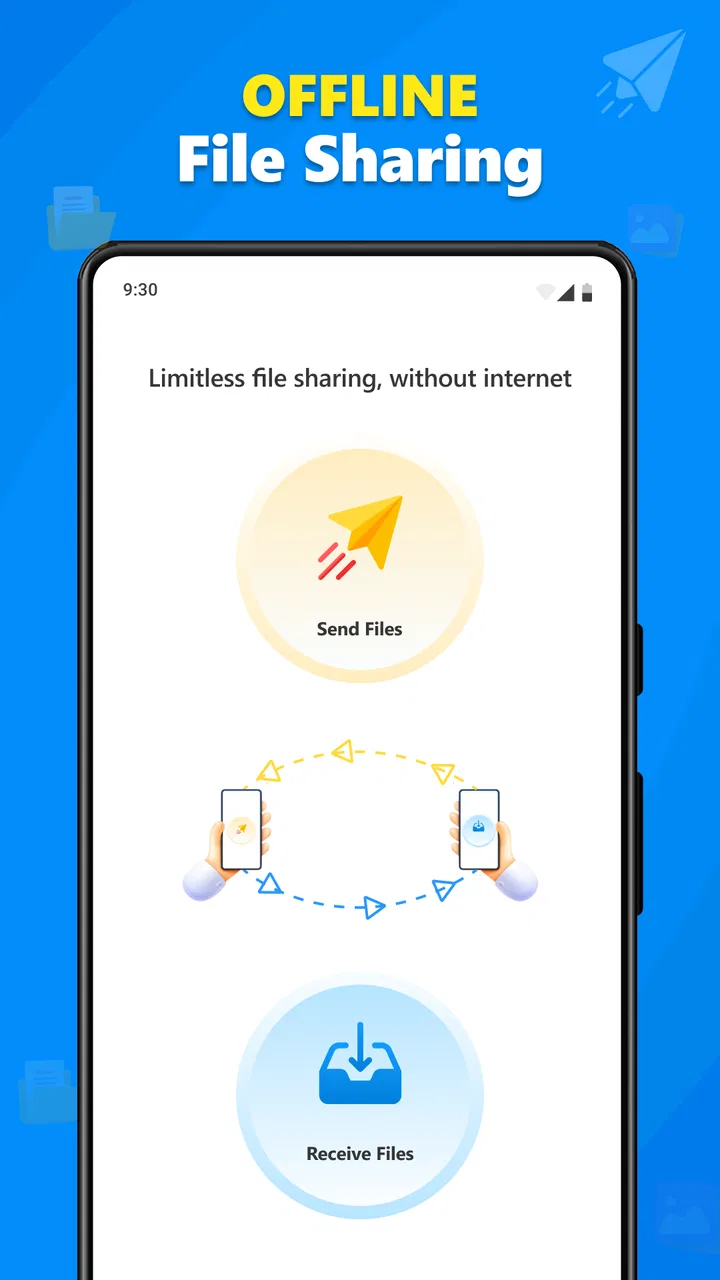
Quick Share: File Transfer App is a user-friendly application designed for fast and efficient file sharing between devices. It supports a wide range of file types including photos, videos, documents, and more. The app uses a combination of Wi-Fi and Bluetooth technology to enable quick transfers without the need for an internet connection.
02Is Quick Share: File Transfer App secure for sharing sensitive files?
Yes, Quick Share prioritizes user security by using encryption protocols during file transfers. This ensures that your data remains secure and private while being shared between devices. However, always ensure that you are transferring files with trusted devices to maintain security.
03Does Quick Share: File Transfer App require an internet connection to function?
No, Quick Share does not require an internet connection for file transfers. It uses local Wi-Fi and Bluetooth connections to facilitate file sharing. This makes it a convenient choice for users who need to transfer files in areas with limited or no internet access.
04Can Quick Share: File Transfer App be used across different operating systems?
Yes, Quick Share is compatible with both Android and iOS devices, allowing seamless file transfers across different platforms. This cross-platform functionality makes it easy for users to share files between smartphones and tablets, regardless of their operating system.
05Are there any limitations on the file sizes that can be transferred using Quick Share?
Quick Share allows the transfer of large files without significant restrictions, making it ideal for sharing high-resolution videos and extensive documents. However, the speed of transfer may vary depending on the file size and the devices' capabilities. Ensure your devices have enough storage to accommodate large transfers.
Pros
- Fast transfer speeds for large files.
- No internet required for sharing.
- Supports multiple file types.
- User-friendly interface design.
- Cross-platform compatibility.
Cons
- Contains in-app ads.
- Lacks advanced privacy features.
- No cloud backup integration.
- Limited support for older devices.
- Occasional connection drops.

Quick Share: File Transfer App
Gallery